

When it comes to renovating or building animal shelters in farmhouses and agricultural settings, the flooring is one of the most important considerations. Animals need a surface that is safe, easy to clean, and able to withstand constant wear and tear. For farmers, durability and hygiene are just as essential as comfort. This is where screeding offers a practical solution.
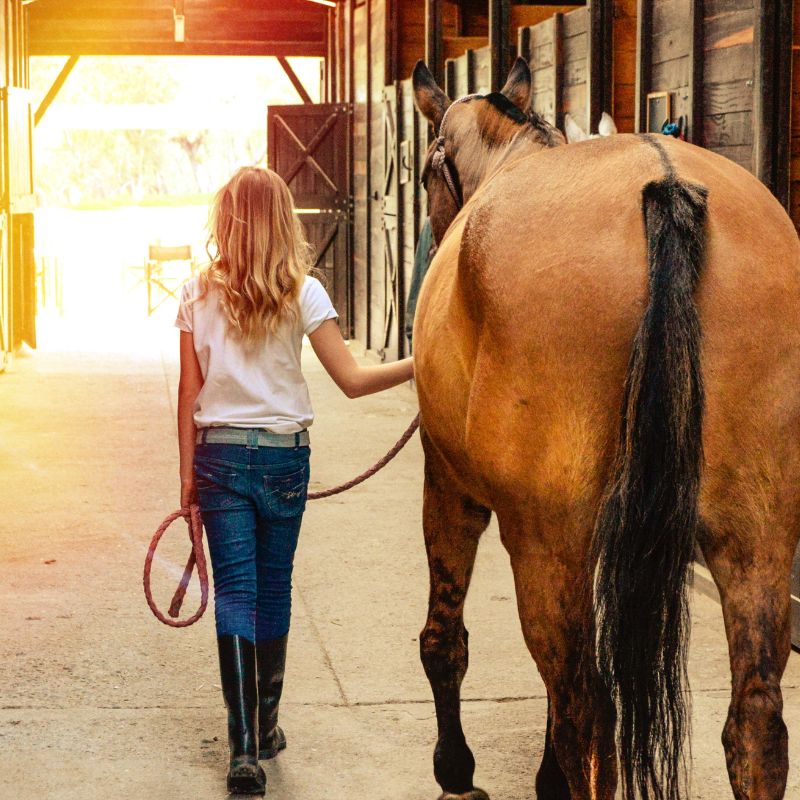
Why Screed Animal Shelters?
Durability Under Pressure
Animals — whether cattle, horses, sheep, or poultry — put heavy demands on flooring. Hooves, claws, and constant movement can quickly damage weak or uneven floors. A screeded surface creates a strong, level base that can stand up to daily use.Hygiene and Cleanability
Farm animals produce waste, water often spills, and bedding materials need frequent clearing. A properly laid screed creates a smooth, sealed surface that’s easier to wash down, disinfect, and maintain.Comfort and Safety
Uneven or broken floors can cause injury to livestock. Screeding provides a level surface that reduces tripping hazards, prevents hoof damage, and allows bedding to sit evenly.Adaptability
Screed can be finished in different ways — left rough for grip, polished smooth, or sealed with resin coatings for extra hygiene. This flexibility makes it suitable for a wide range of animal housing.
Key Considerations for Screeding Animal Areas
Slip Resistance
Safety is critical. For shelters with larger animals such as cattle or horses, adding a textured finish or non-slip aggregate to the screed prevents slipping, especially when the floor is wet.Drainage
A flat floor isn’t always best. Slight gradients in the screed allow water and waste to run toward drains, keeping pens cleaner and drier.Durability of Materials
Traditional sand/cement screeds are strong, but for high-use barns or milking parlours, resin or fibre-reinforced screeds may be more effective.Chemical Resistance
Cleaning agents and animal waste are often acidic. Choosing the right screed mix or applying a protective seal can extend the floor’s lifespan.Thermal Considerations
In colder climates, screed can be laid over insulation or combined with underfloor heating systems for smaller animal housing, improving welfare and comfort.
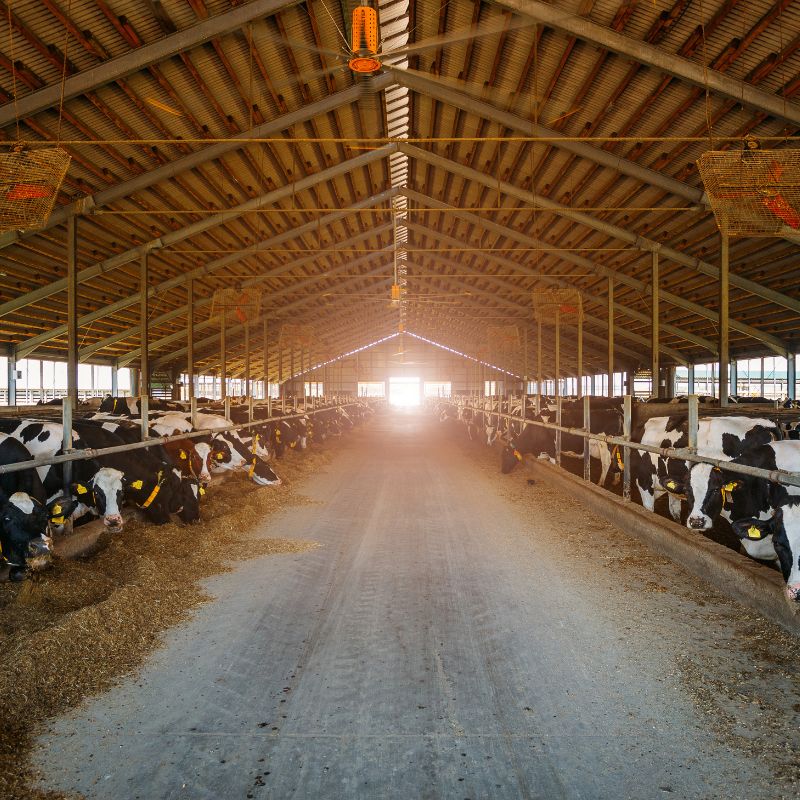
Summary
Screeding animal shelters within farmhouses or outbuildings is a smart investment in both animal welfare and farm efficiency. A well-laid screed provides a robust, hygienic, and safe floor that can withstand the challenges of daily agricultural life. By selecting the right type of screed and considering drainage, slip resistance, and durability, farmers can ensure their animals are housed in safe, practical, and easy-to-maintain spaces.

Get a Quick Quote
Floor screeding commenced following consultation with the client and their design team. Interior Screed Group were then instructed to install to the ground floor, 1200g damp proof membrane with a 500g separating layer together with an 85mm thick C40 ultra-rapid drying fibre reinforced floor screed.
Utilising sand and cement floor screed we provided the contractor with the flexibility to to create micro falls therefore enabling us to easily marry up shop and rear entrance thresholds ensuring final floor finishes fitted perfectly.






Take a look at our most recent screeds
Follow our socials