
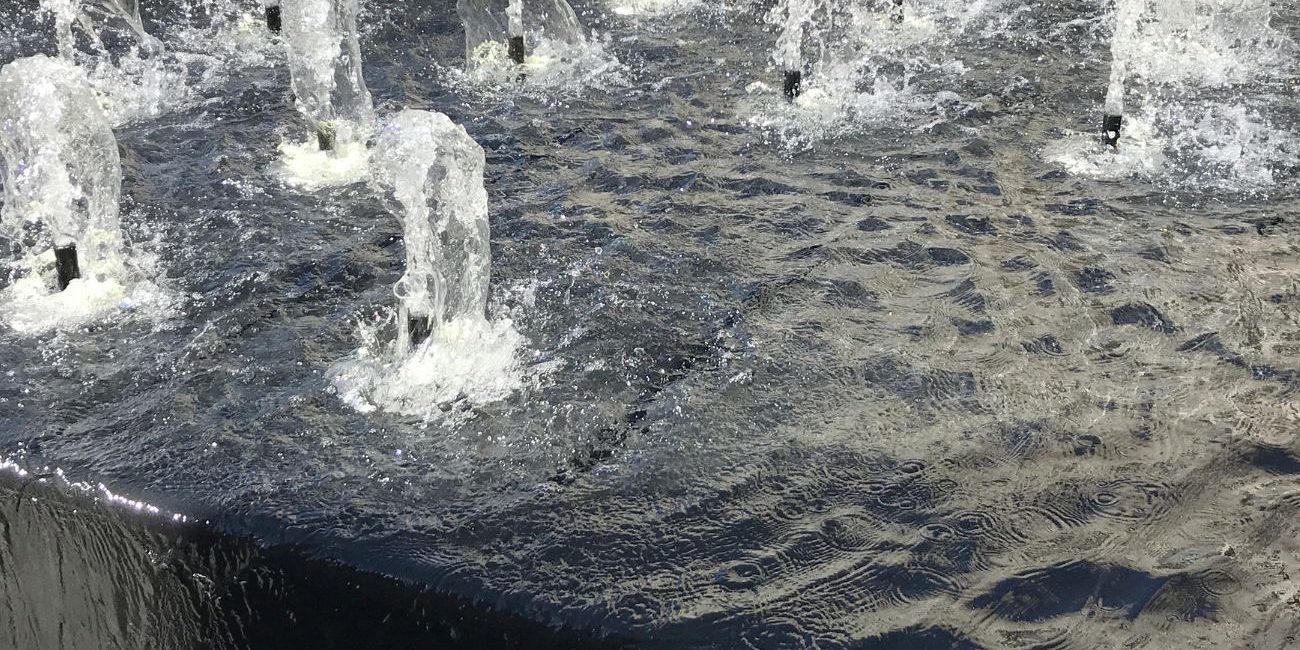
When we think of screed, we often picture dry indoor environments like homes, offices or warehouses. But there’s a more specialist application where the right screed can make all the difference – in underwater or submerged environments.
From swimming pools and spa areas to fountains, tanks and marine facilities, screed used below or near waterlines must be designed to perform in constant moisture, pressure and sometimes chemical exposure.


Key Benefits of Screed in Submerged Environments
1. Waterproofing and Moisture Resistance
Ordinary screed is not designed to withstand long-term water exposure. In submerged environments, moisture resistance is absolutely critical. Specialist additives and formulations are used to enhance the screed’s impermeability, often in combination with waterproof membranes or tanking systems.
A key part of the installation is ensuring there are no voids or weak spots that could allow water ingress, which may lead to failure over time.
2. Chemical Resistance in Pools and Marine Settings
Swimming pools and marine facilities often contain treated or saltwater. This means the screed must be able to tolerate harsh chemicals such as chlorine or salt without degrading.
Using chemically resistant screed formulations can help prevent erosion or breakdown of the surface over time, maintaining the structural integrity of the floor and surrounding elements.
3. Adhesion for Tiling and Finishing
Underwater screed is often a base layer for tiling, especially in pools, spas and fountains. The screed must provide excellent adhesion to ensure tiles stay fixed despite temperature changes, movement and constant moisture.
The surface must be properly prepared and levelled, with careful control of curing times to prevent delamination or surface issues later on.
4. Structural Support and Load Bearing
In water tanks, fountains or submerged structures, the screed often supports more than just a finish – it contributes to the structure’s overall load-bearing performance.
This is particularly important in large installations or public spaces, where safety and durability cannot be compromised. In some cases, screed is reinforced with mesh or fibres to improve its tensile strength and reduce cracking.
5. Professional Installation is Key
Underwater screed installation is not a DIY job. It requires experience, precision and often close coordination with other trades, such as waterproofing contractors and tilers. Mistakes at this stage can be costly and difficult to fix once the structure is complete or in use.
Always work with a contractor who understands the demands of submerged structures and has a track record in similar environments.
Summary
Screeding for underwater or submerged environments presents unique technical challenges that go far beyond standard floor preparation. From waterproofing and chemical resistance to structural reliability, it’s a specialist task that requires the right materials and expert installation.
Whether you’re building a pool, a water feature, or a marine facility, choosing the correct screed system is crucial for performance, longevity and safety.

Get a Quick Quote
Floor screeding commenced following consultation with the client and their design team. Interior Screed Group were then instructed to install to the ground floor, 1200g damp proof membrane with a 500g separating layer together with an 85mm thick C40 ultra-rapid drying fibre reinforced floor screed.
Utilising sand and cement floor screed we provided the contractor with the flexibility to to create micro falls therefore enabling us to easily marry up shop and rear entrance thresholds ensuring final floor finishes fitted perfectly.







Take a look at our most recent screeds
Follow our socials