

When it comes to designing or refurbishing a fire station or emergency services facility, the floor is far more than just a surface. It’s a working foundation that must support heavy vehicles, foot traffic, specialised equipment, and rapid response at all hours.
That’s why floor screeding is such a crucial step in creating a space that is not only practical, but also safe and long-lasting.
Why Floor Screeding Is Essential for Emergency Services Buildings
Fire and rescue facilities have unique operational demands that require flooring built to a much higher standard than general commercial buildings.
1. Durability Under Load: Fire engines, ambulances, and other emergency vehicles are extremely heavy. A professionally laid screed distributes weight evenly, reducing the risk of cracking or sinking over time.
2. Slip Resistance and Safety: Screeded floors provide a solid base for safety flooring or anti-slip finishes, which are essential in wet or high-speed environments where accidents must be avoided at all costs.
3. Hygiene and Cleanliness: Smooth, level screeds help prevent pooling, dust accumulation, and cracks where bacteria or contaminants could build up—especially important in facilities where hygiene matters.
4. Efficient Drainage and Maintenance: A level screed supports effective drainage design in areas like wash bays or decontamination zones, reducing water damage and making cleaning easier and more efficient.
5. Thermal and Acoustic Insulation: Modern screeds can include insulation properties that help regulate temperature and sound in communal areas such as rest zones, offices, or training rooms.

Choosing the Right Screed
There are different types of screed depending on the building’s needs:
- Traditional Sand and Cement Screed – Ideal for general use and cost-effective.
- Self-levelling Screed – Perfect for spaces that need a flawless finish quickly.
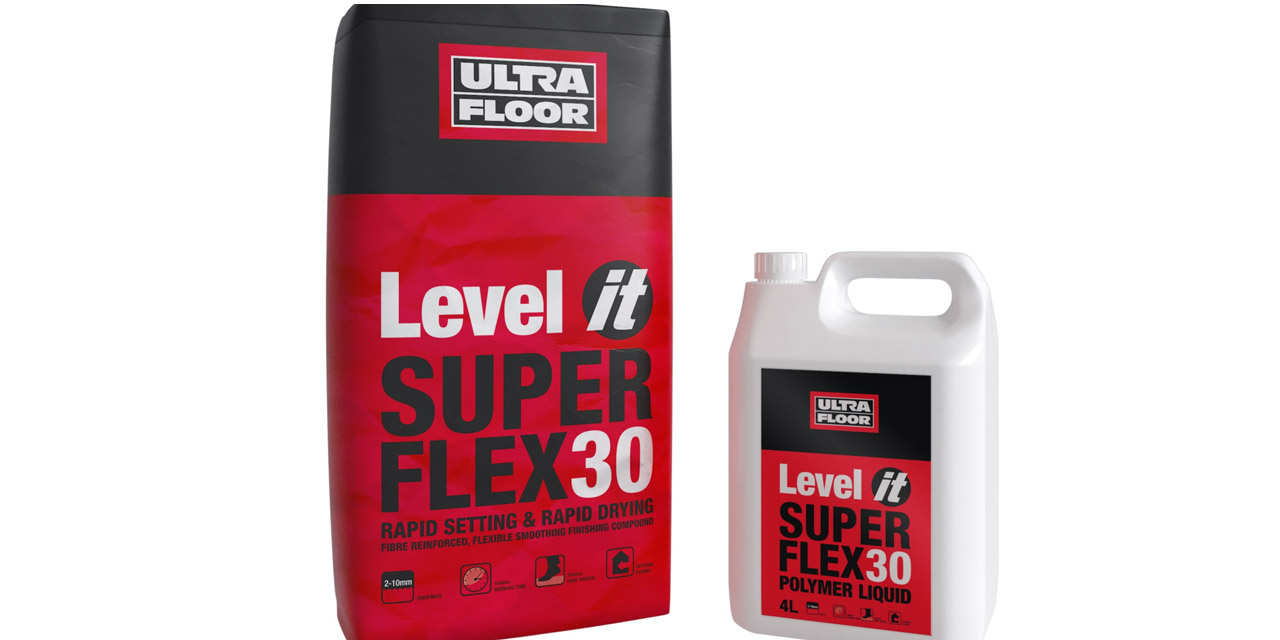
- Fibre-reinforced Screed – Adds extra strength for high-load areas such as storage rooms or halls.
- Flowing (Liquid) Screed – Excellent for large areas or use with underfloor heating.
Your choice will depend on the type of flooring planned, foot traffic, timelines, and budget.
Summary
In emergency services, every element of the building must be reliable—especially the flooring. Floor screeding might be hidden beneath the surface, but it plays a vital role in maintaining performance, safety, and durability in high-stakes environments.
Investing in the right screed now ensures long-term resilience, easier maintenance, and safer working conditions for the people who are always ready to respond.








Take a look at our most recent screeds
Follow our socials