

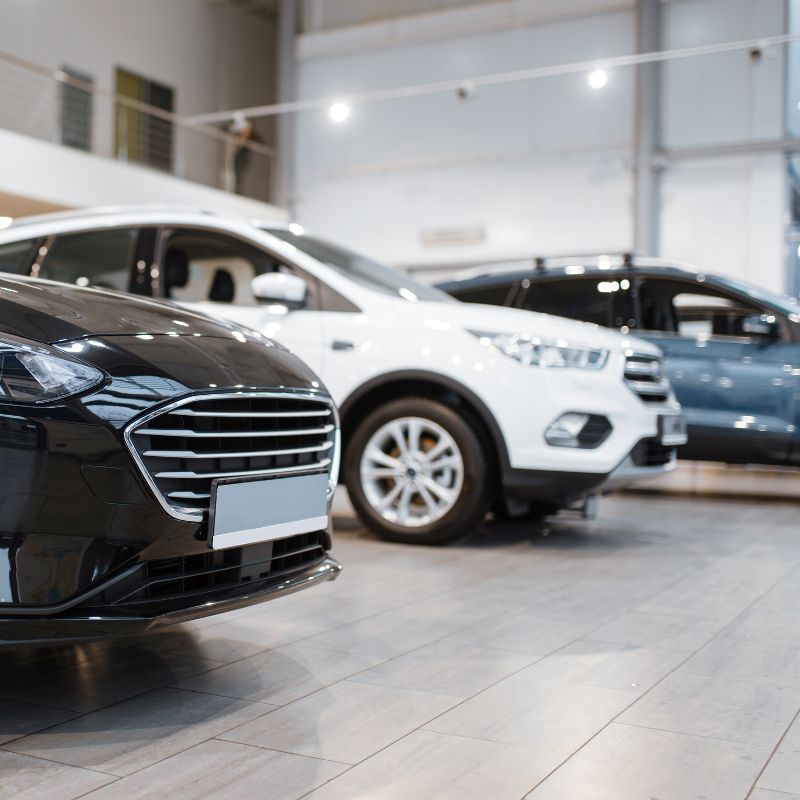
When it comes to designing or refurbishing a car showroom, the flooring is more than just a surface—it’s the foundation of the customer experience. A well-laid screed not only supports the structural integrity of your showroom floor, but also provides a flawless base for the sleek, high-end finishes that vehicle displays demand.
In this post, we’ll explore the key considerations when choosing floor screed for car showrooms and dealerships, and the types of screed best suited to these busy, high-impact spaces.
Why Screed Matters in Automotive Environments
Car showrooms face unique flooring challenges:
Heavy Loads: Vehicles exert significant pressure, especially when parked for long periods.
High Footfall: Constant movement of customers, staff, and vehicles.
Aesthetic Expectations: Showroom floors need to look pristine and level.
Tight Deadlines: Commercial builds often require fast turnaround times.
Choosing the wrong screed can lead to surface cracks, uneven finishes, or long drying times that delay your project.
What to Consider When Choosing Screed for a Showroom
Before selecting a screed type, assess the following:
Load-bearing capacity: Can it support the weight of multiple vehicles?
Drying time: Will the screed allow for quick installation of flooring finishes?
Compatibility: Will it bond well with the final floor finish (tiles, resin, polished concrete)?
Flatness and level tolerance: Does it meet the high standards required for display environments?
Underfloor heating: Is it compatible if you plan to install heating beneath?

Recommended Screeds for Car Showrooms
1. Fibre-Reinforced Traditional Screed
This is a traditional sand and cement screed mixed with polypropylene fibres to reduce shrinkage and increase strength. Ideal for high-load areas.
Pros: Tough, durable, crack-resistant
Cons: Longer drying times unless additives are used
2. Fast-Drying Screed
These screeds include additives that significantly reduce drying time—ideal if you’re working to a tight schedule.
Pros: Floors can be finished or walked on within 24–72 hours
Cons: Higher material costs, may need specialist application
3. Flowing (Liquid) Screed
Anhydrite or calcium sulphate-based, this self-levelling screed is ideal for large, open showroom floors. It provides a smooth, level base with fewer joints.
Pros: Quick to pour, excellent finish, ideal for underfloor heating
Cons: Sensitive to moisture, requires sealing before some finishes
4. Polymer-Modified Screed
Modified with synthetic polymers for added flexibility and strength, this screed works well for refurbishment projects or thinner applications.
Pros: High performance in thinner layers, great bond strength
Cons: Typically requires skilled installers
Final Floor Finish: Don’t Overlook Compatibility!
Once your screed is in place, the final finish brings everything together. Resin coatings, tiles, or polished concrete all demand a perfectly flat, crack-free base. The screed must be moisture-tested before finishes are applied to avoid adhesive failure or visible defects.
Final Floor Finish: Don’t Overlook Compatibility!
Once your screed is in place, the final finish brings everything together. Resin coatings, tiles, or polished concrete all demand a perfectly flat, crack-free base. The screed must be moisture-tested before finishes are applied to avoid adhesive failure or visible defects.

Summary
The right screed ensures your showroom floor is as reliable and refined as the cars on display. It supports not just the vehicles, but your brand image—because a polished showroom starts from the ground up.
If you’re planning a project and need expert advice on the best screeding solution for your needs, get in touch with our team today.








Take a look at our most recent screeds
Follow our socials